Emerging Tech Industry to Invest in as a Designer

Artificial Intelligence(AI), Mixed Reality(XR) including Augmented Reality(AR) & Virtual Reality(VR), and blockchain (Crypto) are the top three most talked-about technologies today. We all wonder which of these will continue growing. I was thinking the same thing and wanted to create a guideline to focus on what I wanted to invest in.
I’ve been a designer for the last 15 years, and my background in applying emergent technologies and media design keeps me engaged with the latest technologies and the culture around it.
Here’s my viewpoint:
1. AI — Tool for Summarizing Read & Write
2. XR — Tool for Extending the Experience of Read
3. Blockchain — Tool for Extending the Experience of Write
Let me unpack this…
Everything we interact on the digital landscape can be broken down into “Read” and “Write.”
Yes, this is the basis of web technologies. We were amazed by the free Read-only properties of Web 1.0, and the world changed through Web Browsers. We were again mesmerized by Read and Write properties of Web 2.0, where users started sharing themselves, the birth of Social Media. And yes the world changed again.
Over the years, technology has made it easier for the general public to consume and create. And I feel today, everything digital is mainly based on the web, and new technologies are here to push one of the two interactions in the digital world:
📕Read — How users consume content (e.g., browsing websites, watching videos).
🖊Write — How users create content (e.g., posting, uploading).
I started with this base to consider how these technologies could change fundamental interactions. I wanted to know how each emergent technology was moving the needle forward for users.
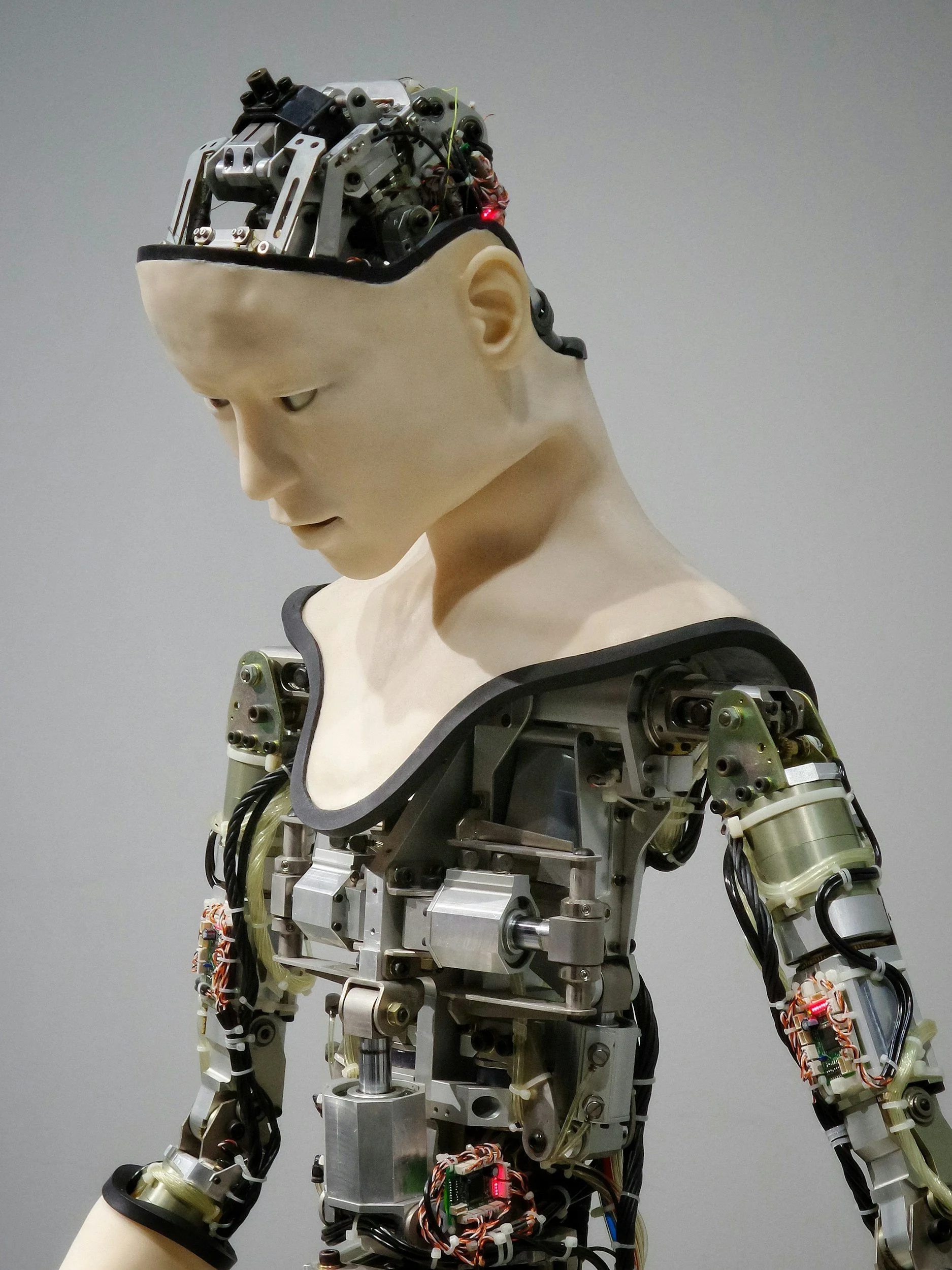
1. AI — AI summarizes content for consumers(Read) and creators (Write)
What does AI do in terms of Read & Write? It was simple; it summarized information for consumers. In other words, it simplifies the access and digesting of information. This is exactly why we celebrate ChatGPT's existence and where the speculation started.
But how about creation? How does AI help Write?
It helps us summarize trails of thoughts into one cohesive content when we give it a prompt. Or just ask if we don’t even want to think about it. But that’s not what it is summarizing; what AI summarizes is the process of content creation
What AI Summarizes is the Process of Content Creation.
For instance, AI-generated images condense entire artistic workflows based on prompts, skipping manual work. We bypass photographers, illustrators, models, actors, etc.- the whole shebang.
Have you seen this Music Video?
Developed through a completely experimental AI pipeline. The sheer amount of AI-generated Images and Video produced is astounding. What’s more impressive is the time it took to create this: 2 months.
Imagine producing that in real life! The coordination nightmare. The budget! The weather! Don’t even get started on the budget!
You get my drift.
So, what do we designers do in the AI industry?
I can only speculate, but the focus is creating experiences that manage expectations. The caveat to the AI process is that we do not know how the AI will generate the outcomes. We can reiterate the prompts, but the new outcomes will still be unexpected.
It’s the same for creators and consumers. We ask for a summary of content that often misses key information. We ask for an outcome based on a prompt, expecting one thing but receiving countless other outcomes. In both instances, we are at the mercy of AI.
The Design Focus: creating experiences that manage users’ expectations of the technology. Expectation-oriented.
2. XR — XR technologies, like AR/VR, extend how users consume content (Read)
What does XR do in terms of Read & Write? Much of the XR scene discusses the immersive experience of Read — consumption.
Let’s take a look at Apple Vision Pro.
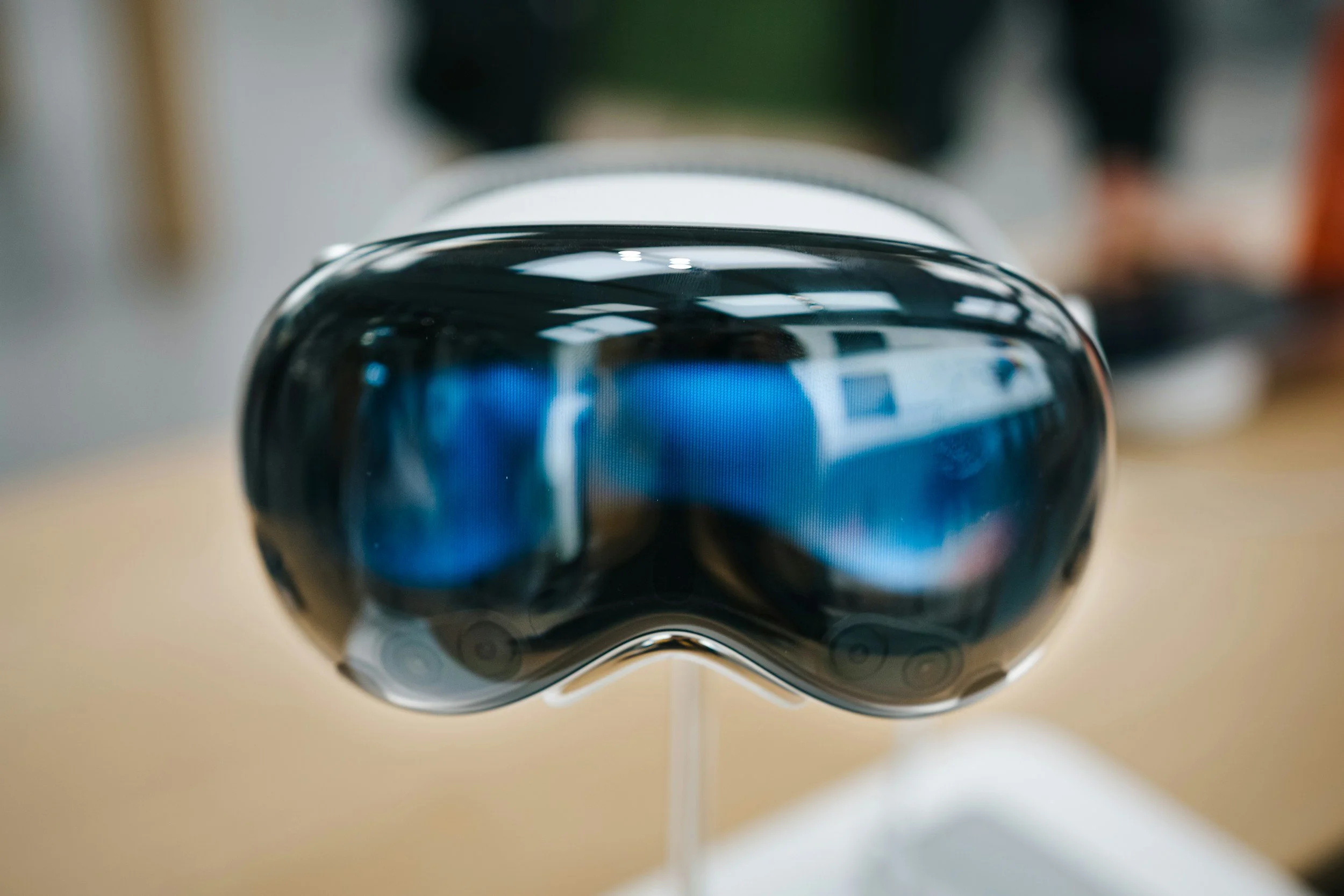
It’s a cinematic computer on your eyes. It is an entertainment device made ready for consumption. The features Apple pushes are related to consumption: experiencing sound, video, images, and text in a more sensory manner.
And it makes sense, it’s spatial computing. We’re exploring depth in screens not only with our eyes but with our whole bodies.
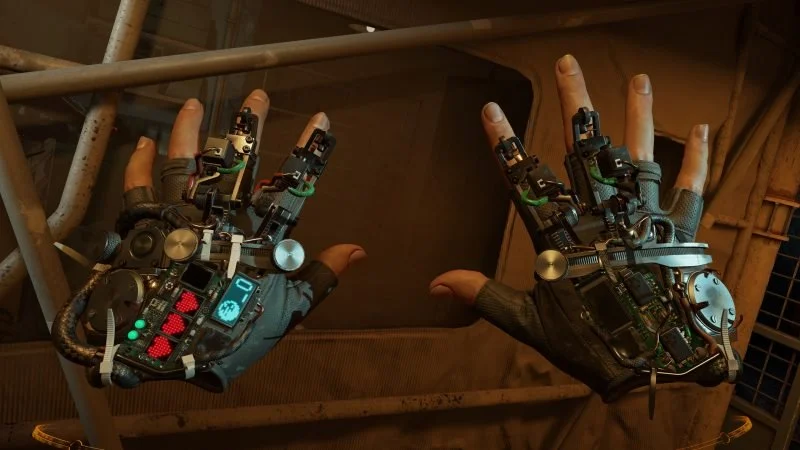
Virtual Reality games alone provide immersive interactions with the same content users already enjoy. Half-Life Alyx is a great example. Now it’s with head tilt and hand gestures.
Augmented Reality extends real-world experiences into our environment, allowing the world to enter our homes. Snapchat and Instagram filters are brands dripping into our lives. The digital overlays in our physical environment are an extension of our senses. The passive screen becomes a dynamic attachment to our vision. We move about with our bodies to experience a familiar senses.
Mixed Reality can also impact how content is created (Write). However, I firmly believe its strength lies in enhancing the user’s experience to be more real than real.
The Design Focus: creating experiences that heighten sensory engagement. Sensation-Oriented.
3. Blockchain — Blockchain extends “Write” by building trust into the core of creation.
Authenticity, Ownership, and Proof of… are all about enabling users to create and build digital assets confidently. For example, artists own and can verify their digital assets.
This extends to cryptocurrency as well. Blockchain replaces traditional trust systems like banking by offering immutable proof and authenticity.
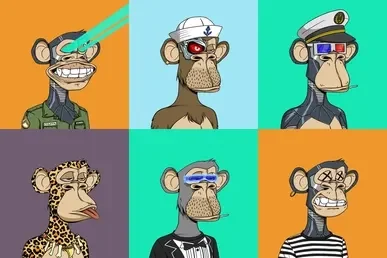
I explored NFTs back in 2021 and still drop by from time to time to see what’s happening. Most of the NFT brands are active in X (formerly Twitter) and had my fair share of conversations and content creation around NFT branding. I’ve minted, bought, sold, and traded NFTs in the Ethereum network and let me tell you, it was a crazy few years full of Discord channels and Tweets.
I share my experience to highlight that creating positive speculation was a major factor in the success of NFT projects. While the concept of owning a jpeg was partially true, the lack of broader utility has since diminished interest in the space.
Most NFT brands focused on building trust with their community, both before and after their launch. In retrospect, this emphasis on community trust felt somewhat redundant, given that the technology itself was supposed to create trust. However, placing a price tag and trading NFTs quickly became a barrier to the space’s growth.
NFT communities kept interest alive by speculating on future developments and assigning new values to the NFT tokens, be it with tradewashing or creating hype for a new NFT projects within the brand. In the end, it wasn’t the technology driving growth, but rather the speculation around the projects.
Was the technology at fault?
I don’t have a straightforward answer. The engineering behind blockchain is complex, but I believe the technology has the capacity to do far more than just creating smart contracts for tracking price information and links to jpegs.
Blockchain should be laying the foundation for a reliable digital infrastructure for secure transactions. This is where designers play a crucial role — presenting these core features as trustworthy and user-friendly for onboarding the masses.
The success of Bitcoin and the alternative cryptocurrencies, apart from the utility as a financial hedge against the dollar, stems from their ability to integrate with existing financial systems.
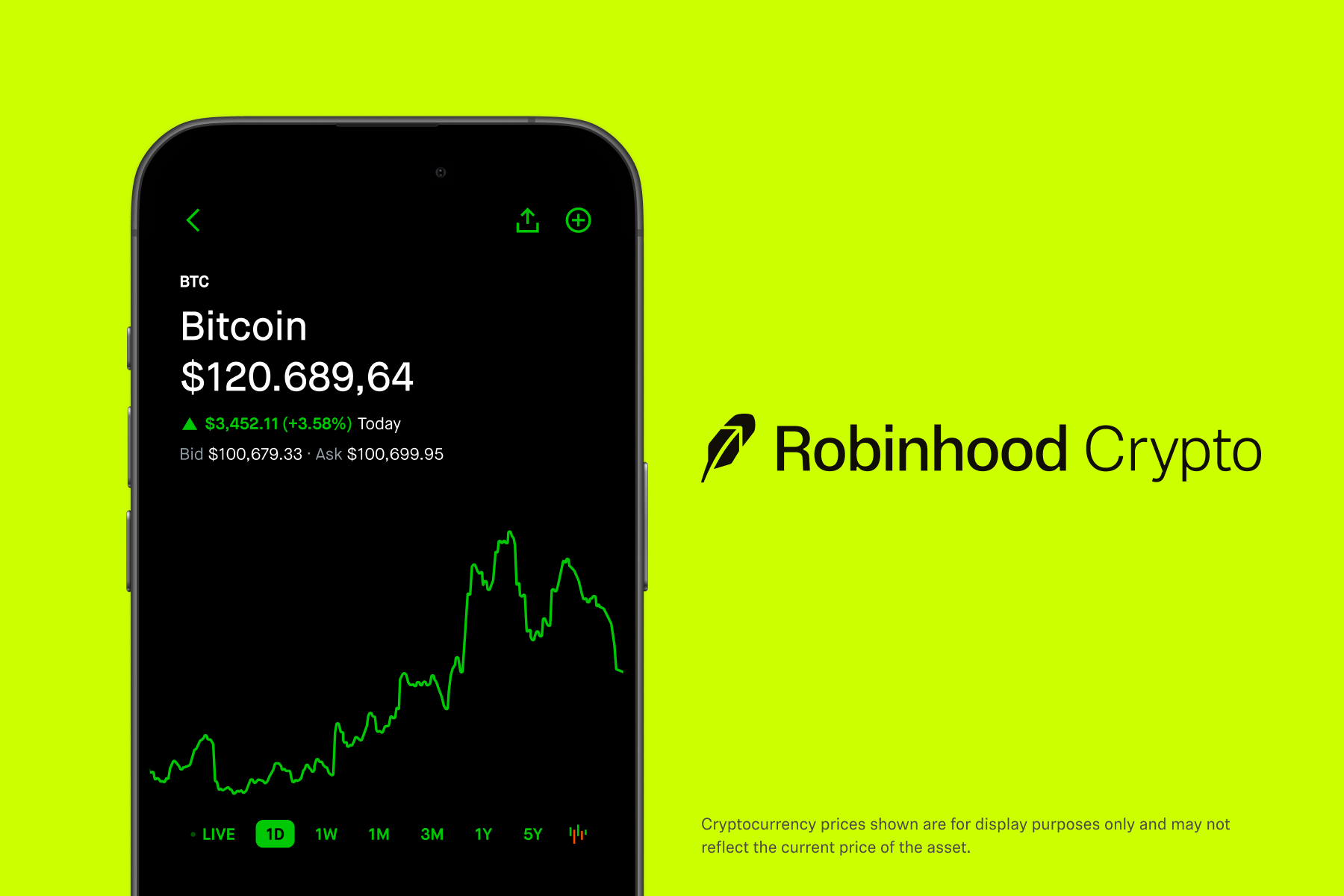
Apps like Robinhood have solved the design problem for blockchain, providing users with a familiar interface to trust their money and make transactions as easily as stock trades. This means a whole industry acts like a user interface for the public. I mean, it’s ridiculous to have an entire app like Robinhood be the solution to onboard users into blockchain. This is the same problem of solving the trust issue not by technology but through branding.
I mean, it’s ridiculous to have an entire app like Robinhood be the solution to onboard users into blockchain. This is the same problem of solving the trust issue not by technology but through branding.
This is where opportunity arises for designers — creating user-friendly experiences like token-gated web stores or designing seamless navigation for crypto applications that manage multi-token access, such as NFT marketplaces.
Another consideration is joining the foundational teams behind blockchain technology, like the Bitcoin Foundation, Ethereum Foundation, or Solana Foundation. Here, designers could help establish design standards for core blockchain features.
For me, the first impactful users of blockchain technology are creators. And designers need to help these creators with audience-bases by building tools and experiences they can rely on. Point being, that blockchain is the place to design completely new and unseen solutions that foster trust and reliability.
The design focus: creating experiences that foster trust and reliability. Trust-Oriented.
So what are you going to design?
Design experiences that manage expectations?
Design experiences that enhance sensations?
Design experiences that foster trust?